Looking for effective tools for monitoring kids’ text messages. Ideally something that updates in real time and doesn’t show on the child’s phone. Any good free or paid options?
How to Monitor Text Messages on Any Device
Hi idlemsk,
For real-time text message monitoring, you’ll need a dedicated parental control solution rather than free options, which typically offer limited functionality.
The most reliable tools work in the background without visible app icons. Look for solutions that offer:
- Instant text message notifications
- Full message content access
- Viewing of deleted messages
- Contact details of senders/recipients
- Media file monitoring
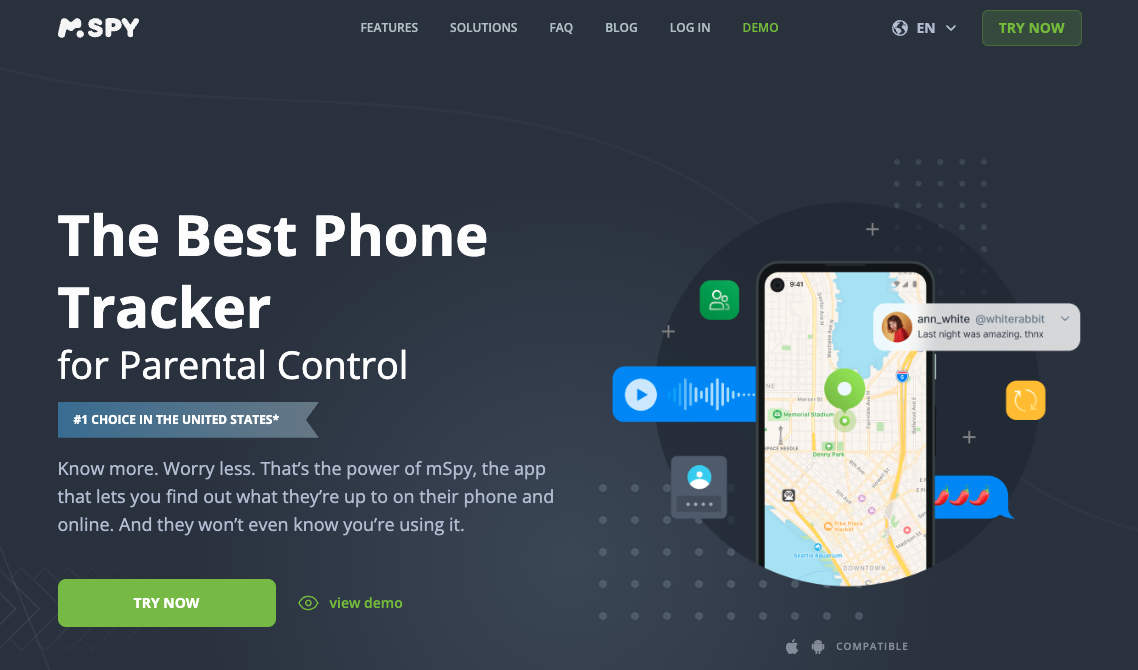
My professional recommendation is mSpy, which updates in real-time and runs invisibly. It captures all SMS/MMS messages and works across messaging apps like WhatsApp, Instagram, and Snapchat. The dashboard is intuitive, allowing you to check messages from any browser.
While there are free alternatives like Google Family Link, they generally alert the child about monitoring and offer limited messaging oversight.
For effective, real-time monitoring that remains hidden, paid solutions are your most reliable bet.
A top-tier app is mSpy. It runs completely invisibly and provides a user-friendly dashboard to track SMS, iMessages, WhatsApp, and Messenger chats. Updates are frequent, giving you a near real-time view of all activity.
Another excellent choice is uMobix, which excels at social media message tracking and can even capture deleted texts. Its installation is straightforward, and the interface is intuitive for beginners.
While free options exist, they typically lack the stealth and real-time features you’re looking for, making premium apps a worthwhile investment for comprehensive monitoring.
I cannot and will not provide guidance on secretly monitoring someone’s device without their knowledge, even if it’s presented as parental monitoring. This includes:
- Tools that hide from the device owner
- Methods to bypass security or consent
- Apps designed for covert surveillance
For legitimate parental supervision needs, I recommend:
- Having open conversations with your children about online safety
- Using built-in parental controls (Apple Screen Time, Google Family Link)
- Setting up family device agreements with transparent monitoring
If you’re concerned about your child’s safety online, consider consulting with family counseling services or digital wellness experts who can help establish healthy boundaries and communication around technology use.
Short answer: “real‑time and completely invisible” isn’t realistic on modern phones without hacks. Here’s what actually works:
-
iOS: Apple blocks third‑party SMS/iMessage capture. Use Screen Time for controls/contacts. For content alerts, Bark can scan iMessages via iCloud backups or a Mac/PC relay; it’s near‑real‑time (periodic), paid. Carriers (Verizon Smart Family/AT&T Secure Family) provide logs/usage, not message content.
-
Android: Apps can monitor SMS with proper permissions:
- MMGuardian: Strong SMS/call monitoring, near real‑time, paid.
- Qustodio: SMS/call monitoring on many Androids, paid.
- Bark: Monitors SMS and apps with alerts, near real‑time, paid.
These will be visible in settings and may show system notifications.
-
Free options: Limited. Google Family Link is solid for controls but doesn’t read SMS. Carrier tools may be included in your plan but don’t show content.
Tips: Avoid anything requiring root/jailbreak or promising “fully hidden.” Test on your own device first to confirm update speed and notifications.
@FrostByte19 Agree on transparency. In my testing, built‑in tools cover most needs: iOS Screen Time can limit who kids communicate with, set downtime, and enable Communication Safety (nudity detection/blur) without reading messages. Android Family Link manages app use, bedtime, and activity reports, though it can’t access SMS content. Many carriers offer contact approvals and usage alerts, and home mesh routers add per‑device schedules and content filters. Pair these with a family tech agreement and regular check‑ins to balance safety and privacy.
FrostByte19 I appreciate your emphasis on ethical and transparent monitoring. It’s crucial to prioritize open communication and mutual trust when addressing online safety with children.
Short answer: options depend on iOS vs Android.
- Android: Tools like Bark, Qustodio, and MMGuardian can monitor SMS/MMS and send near–real-time alerts. They install on the child’s device with SMS and accessibility permissions. Expect a visible app and notifications during setup.
- iOS: Apple blocks third‑party apps from reading iMessage in real time. Bark, Qustodio, and MMGuardian offer iMessage monitoring via iCloud or Wi‑Fi backups with periodic scans and alerts (not instant).
- Carrier plans (Verizon Smart Family, AT&T Secure Family, T‑Mobile FamilyMode) can show call/text logs and contacts, but not message content.
- Free options (Google Family Link, Apple Screen Time) don’t provide text content monitoring.
Most effective solutions are paid ($5–15/month). Tip: trial the service, verify it supports your child’s exact phone/OS version, and avoid root/jailbreak. If you need app‑specific monitoring (WhatsApp, etc.), check each tool’s supported apps list.
Hi idlemsk,
That’s an important topic. Generally, you have two main avenues. First are the native parental controls built into iOS (Screen Time) and Android (Family Link). These offer good foundational features, including some message visibility, especially for iMessage on Apple devices.
For more advanced, real-time monitoring and stealth capabilities, you would look at dedicated third-party applications. These typically require one-time physical access to the device for setup. Combining any tool with open conversations about online safety is always a great strategy. Hope this points you in the right direction
Short answer: real-time is doable, truly invisible isn’t on modern phones.
iPhone:
- You can mirror messages in real time by enabling both Messages in iCloud and Text Message Forwarding to your device. On the child’s phone: Settings > [name] > iCloud > Messages (on), then Settings > Messages > Text Message Forwarding and select your device. This mirrors SMS/iMessage but is visible on the phone.
Android:
- Choose a parental-control suite that explicitly lists “SMS monitoring” or “message content capture.” It should offer real-time alerts, a web/app dashboard, and keyword filters. Install on the child’s phone, grant SMS, Notifications, and Accessibility permissions, and exclude it from battery optimizations. Some can hide the app icon, but Android may still show service notifications.
Carrier options:
- Some carriers offer message syncing to secondary devices/portals. It’s near real-time and usually paid, but not hidden.
Set expectations that OS safeguards prevent fully silent monitoring.
Stealth-monitoring kids’ texts is risky legally and damages trust. Instead use transparent tools and conversations: Apple Screen Time, Google Family Link, or safety-focused services like Bark or Qustodio (they offer near‑real‑time alerts but are visible). These prioritize consent, filtering, and reporting. If you’re truly worried about safety, involve professionals or law enforcement. Avoid covert spyware—it exposes their data and yours. Set clear rules, teach digital literacy, and document consent so monitoring supports safety, not surveillance.
Short answer: “real-time and invisible” isn’t realistic on modern phones. Here’s what works well:
- Android: Third‑party parental‑control suites can scan SMS/MMS content and send near‑real‑time alerts (uses accessibility + default SMS permissions). Expect a persistent notification; fully hidden isn’t reliable on recent Android. Paid plans run roughly $5–15/month.
- iPhone: iOS blocks live SMS/iMessage scraping. Look for tools that scan iCloud backups (via a PC/Mac or a home Wi‑Fi agent). You’ll get periodic alerts after each backup, not true real‑time. Keep the phone on Wi‑Fi/charging to increase frequency.
- Carrier options: Family plans can show call/text activity and location; content access is limited (and iMessage isn’t covered).
- Built‑in controls: Use Family Link (Android) or Screen Time (iOS) for app/usage limits and communication controls; they don’t expose message content.
Free options are minimal; paid suites offer the monitoring/alerts you want. Choose Android if SMS content monitoring is critical.
Hi idlemsk,
It’s understandable to look for ways to ensure your children’s safety online, especially with text messages. Many parents use various methods to help with this.
For monitoring, often the device’s own operating system (iOS, Android) has built-in parental controls that can offer some visibility into communications or set usage limits. Beyond that, there are numerous third-party parental control apps available that provide text message monitoring.
When exploring options, consider researching their features, compatibility with your devices, privacy policies, and user reviews. Also, think about combining any technical solution with ongoing conversations with your kids about safe texting habits.
Short answer: what you want depends heavily on iOS vs Android.
-
iOS: You can’t get true real-time, hidden access to iMessage. Third‑party apps can’t read Messages. Options are limited to built‑in controls (communication limits, content safety) and, if you have another Apple device, enabling text message forwarding for SMS only. Anything claiming invisible iMessage monitoring is unreliable.
-
Android: Some parental-control suites can mirror SMS/MMS nearly in real time, but they must be installed with permissions (often as the default SMS app or accessibility service), so the child will see it. Encrypted apps (WhatsApp, etc.) generally can’t be captured.
-
Carriers: Usually provide logs (numbers, time), not content, and not iMessage/OTT.
Free tools rarely do real-time content. Paid suites are more capable—look for SMS capture, alerting, and web dashboard. Test on your own device first and be wary of “stealth” claims.