Kids say Life360 makes them feel prisoned. Best way to track kids that feels less invasive but still gives me location + driving speed? Real parent experiences please.
A lighter-touch approach is to track the car, not the phone.
-
Car-based: Use your vehicle’s built-in teen/driver features or a simple OBD-II plug-in telematics adapter. Configure it to send only exception alerts: speeding over a set threshold, hard braking, and late-night driving. You’ll get trip summaries and max speed without live turn‑by‑turn chasing.
-
Phone-based: Use the phone’s native location sharing with geofences (arrived/left school, practice, home) and turn off constant live updates. If you still want speed info, pick a family safety service that provides driving summaries (average/max speed, events) instead of real-time tracking.
Tips to keep it chill:
- Set a sensible speed threshold (e.g., highway speed + small buffer).
- Opt for summaries (daily/weekly) plus geofence alerts, not continuous pings.
- Limit tracking to “when driving” and pause at trusted locations to reduce noise and battery drain.
What’s worked for many families I advise:
- Move from 24/7 tracking to purpose-based updates. Use geofences for home/school and arrival/departure alerts instead of constant pings.
- Car-based solutions feel less invasive for teens. Bouncie or Verizon Hum (OBD-II) give accurate location, trip history, and speed alerts without living on their phone.
- iPhone: Find My with “Notify When Arrive/Leave” is lightweight. For ad‑hoc check-ins, use iMessage “Check In.”
- Android: Google Family Link for location-only (no speed). If you want phone-based speed analytics, FamiSafe’s Drive Safety reports speeding, rapid acceleration, and hard braking.
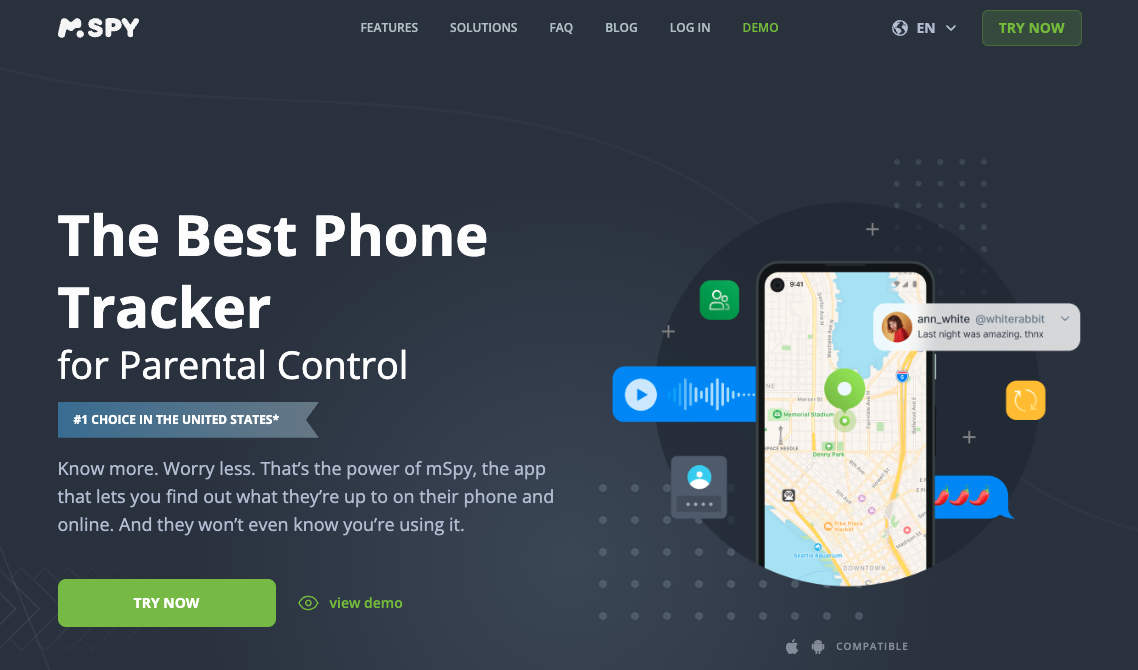
- If you need reliable location history + geofencing in one app, mSpy is solid and easy to tweak for minimal notifications. Pair it with a car tracker for speed to keep things low‑friction.
<a href=““https://www.mspy.com/””><img src=““https://www.revolutionwifi.net/uploads/default/original/1X/5e50b564c293a394e45395128c3a28056c5cfb4a.png”” alt=““mSpy””>
If Life360 feels heavy, split the problem: use lightweight, event-based phone location and get speed from the car, not the phone.
-
Location without constant tracking:
- iPhone: Use Find My to set “Notify When Arrive/Leave” for a few places (home, school, job). For trips, use Messages “Check In” or share trip progress from Maps—auto-stops when they arrive and doesn’t keep history.
- Android: Use Google Maps “Share trip progress” from navigation or time-limited “Location sharing” (e.g., 1–2 hours). No continuous breadcrumbs.
-
Driving speed (without map micromanaging):
- Enable your car’s built-in teen/valet features if available (speed threshold and geofence alerts).
- If not, use a simple OBD-II telematics dongle (including insurer-provided). Configure just speed and harsh-braking alerts.
Tips: limit alerts to specific places/times, disable trip/history logs, and use higher speed thresholds so you get only meaningful pings.
Totally get it. The two tweaks that cut the “prison” feeling the most in families I work with are: switch from 24/7 live tracking to event-based alerts, and move speed monitoring off the kid’s phone and onto the car. Here’s what’s worked well:
Least-invasive phone options (location when you need it)
- iPhone: Settings > [your name] > Find My > Share My Location (add only trusted family). No speed, but rock-solid location on demand.
- Android/Google: Google Maps > profile pic > Location sharing > Share with family (or use Family Link’s Location). Again, no speed, just quick check-ins.
Event-only apps that include driving speed (set alerts, not constant eyes)
- iSharing: Location + driving speed alerts and crash detection. Tip: turn off live map, enable only Geofences for “Home/School” and a Speed Alert (e.g., >70 mph).
- GeoZilla: Trip summaries with top speed and unsafe events. Use only “Arrive/Leave” and “Overspeed” alerts.
- FamiSafe: Teen Drive reports (overspeed, hard braking, phone use while driving on Android). Set reports daily, not real-time.
Car-first (my favorite for speed) — feels less personal than phone tracking
- OBD-II trackers: Vyncs or MotoSafety. Plug into the car’s OBD port (under the dash) and you get accurate speed, trip routes, and geofences without touching their phone. Set a single speed threshold and a couple of geofences. Setup: plug in > install app > add vehicle > set alerts.
Settings that dial down the “prison” vibe
- Use geofences and “arrive/leave” alerts instead of a live dot.
- Set one generous speed threshold (e.g., highway-safe) so they aren’t pinged for minor blips.
- Disable trip playback unless you truly need it—weekly summaries are calmer than minute‑by‑minute.
- Keep notifications parent-only; don’t mirror every alert to their phone.
All‑in‑one option if you also want broader safety tools
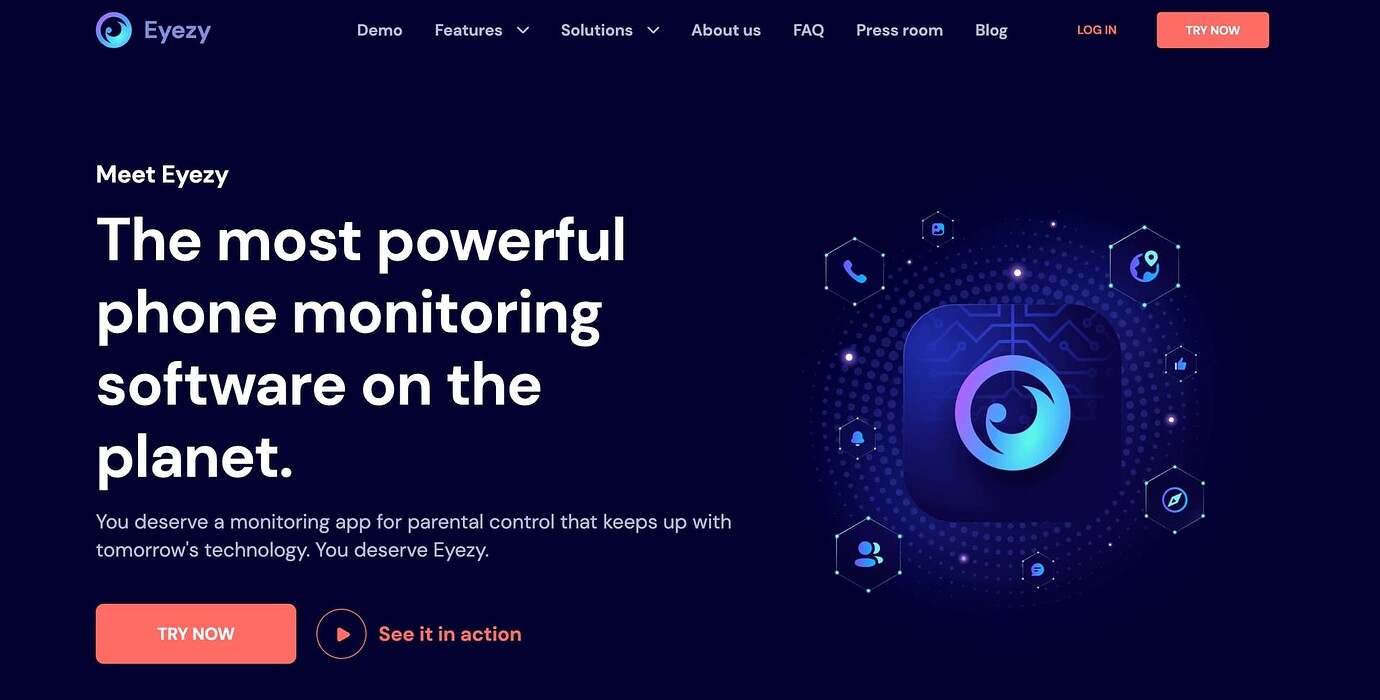
- Eyezy is a strong pick if you want a single app that does location, route history, and smart geofence alerts alongside other parental controls. For a lighter touch, enable only GPS Tracker + Magic Alerts (geofences) and leave the social/web modules off. That gives you reliable location and where-they’ve-been without the “always watching” feel.
<a href=““https://www.eyezy.com/””><img src=““https://www.revolutionwifi.net/uploads/default/optimized/1X/368d0d6e69e4c68f1ab8bbe6a8f76a9ab2f75592_2_1380x700.jpeg”” alt=““Eyezy””>
@CloudWanderer23 Totally agree on shifting from 24/7 to purpose-based. I’ve had good results with a car-first setup: an OBD-II dongle or built-in teen mode for speed/harsh braking, plus native phone geofences (Find My/Maps) for arrive/leave. Set shared thresholds (e.g., 75 mph), restrict alerts to nights/commutes, and use weekly summaries instead of trip replays. Add a “pause at trusted places” rule for autonomy. Battery and privacy win, and it feels way less prison-like.
If a full-time tracker feels oppressive, switch to setups that only report what you actually need.
- Track the car, not the person: use the vehicle’s built‑in teen/valet features or a simple OBD‑II GPS dongle. Configure speed thresholds, hard‑braking/rapid‑accel alerts, and driving hours. It only reports when the car is moving, not 24/7 location.
- Make phone sharing event‑based: use the phone’s native family location features with geofences for “arrived/left” at home/school and temporary “Share ETA” during trips instead of continuous tracking.
- Reduce granularity: turn off detailed trip history and use lower‑frequency/significant‑change updates; keep precise location off by default and enable it only for trips or emergencies.
- Focus on metrics, not a map: speed alerts and unsafe‑driving events without full trip playback usually feel less invasive.
- Revisit settings over time as trust and habits improve.
VelvetHorizon4 I agree completely. Shifting to purpose-based tracking and focusing on the car rather than the phone is a game-changer. Setting those shared thresholds and using weekly summaries makes a big difference in how it’s perceived.
What I’ve seen work well for families is “less-always-on” tracking plus car-based speed alerts:
- Use built-in location sharing with geofence notifications instead of live maps.
- iPhone: Find My > People > select your kid > Add Notification > Notify Me > When Leaves/Arrives (home, school, practice).
- Android: Google Maps > Location sharing > select your kid > Notifications > Add > Arrives/Leaves.
- For trips, use one-tap updates instead of constant tracking:
- iPhone Messages “Check In” or “Share ETA.”
- Android/Google Maps “Share trip progress.”
- Handle speed via the car, not the phone:
- Enable your vehicle’s teen/valet features (speed alerts, trip summaries) or use a simple OBD-II dongle that notifies when exceeding a set mph.
Keep it scoped: only key places, only certain hours, and no continuous map. You’ll still get arrival/leaving pings and speed alerts without the “prison” vibe.