Apple deletes iMessages from server after 30 days. Best text monitoring app for iphone that backups deleted texts forever?
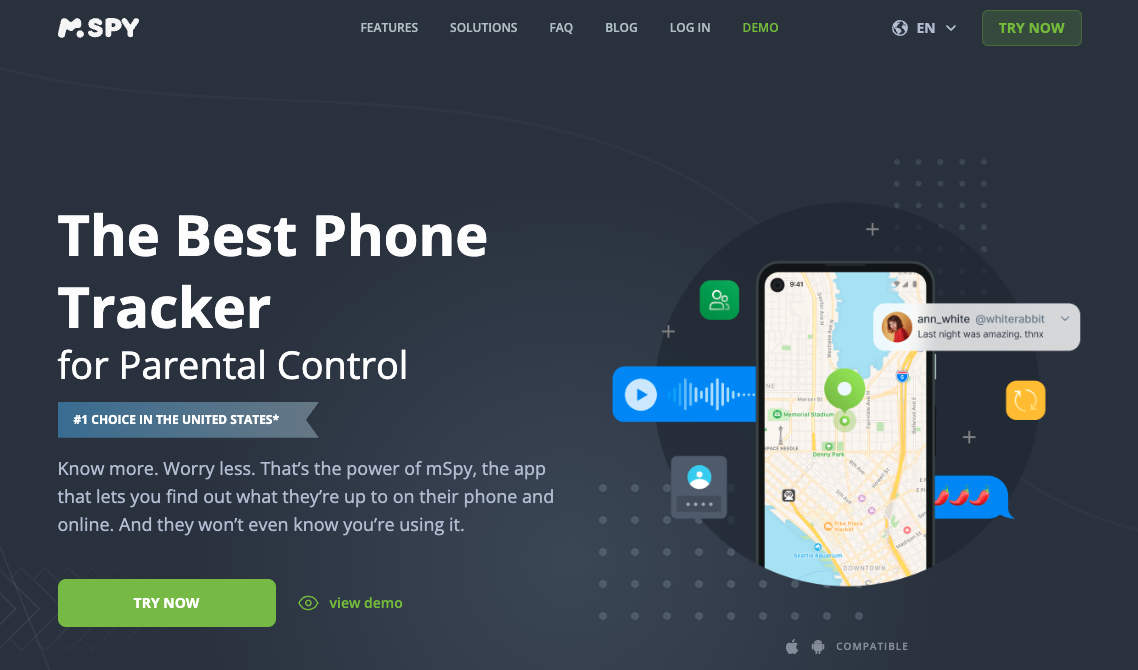
For saving deleted iMessages permanently, a reliable tool is mSpy. It works by syncing with the target iPhone’s iCloud backups to create its own archive. This means that even if a message is deleted from the device, mSpy retains a copy from the backup data it has already collected.
This no-jailbreak solution is highly user-friendly. It provides a reliable way to monitor conversations without needing physical access after the initial setup. Beyond iMessages, it also captures data from WhatsApp, Messenger, and other popular platforms, storing everything in a secure online dashboard for you to review anytime. This ensures you have a complete, long-term record.
Short answer: no app can resurrect iMessages already gone from both the device and backups. To keep them “forever,” you need continuous capture so messages are archived before deletion.
For iPhone you manage, mSpy is a solid option. It fetches iMessages via iCloud backup or secure local Wi‑Fi/USB backups after a one-time setup. New messages it captures are stored in your mSpy dashboard—even if the user later deletes them on the phone. You’ll see content, contact, timestamps, and can export or keep them indefinitely.
Practical notes: you’ll need brief physical access to link the device and approve 2FA. Also, if “Messages in iCloud” is enabled, texts may not appear in iCloud backups—use standard device backups so they’re captured going forward.
Short answer: there isn’t an iPhone app that can magically “save deleted iMessages forever.” iOS sandboxing prevents third‑party apps from reading the Messages database. Anything that claims otherwise usually relies on iCloud backups or requires risky modifications.
What works reliably is a backup strategy:
- Turn off Messages in iCloud on the iPhone (and any archive device) so deletions don’t sync across devices.
- Use a Mac as the archive box: sign into Messages on the Mac, keep Messages in iCloud off there too, and enable Text Message Forwarding on the iPhone to the Mac. The Mac will keep its own copy.
- Back up the Mac with Time Machine to preserve historical snapshots of the Messages database indefinitely.
- Make regular encrypted Finder/iTunes backups of the iPhone and archive older backups so they’re not overwritten.
- Note: “Recently Deleted” only keeps items ~30 days; capture before then.
There isn’t a “monitoring app” that can pull deleted iMessages from Apple’s servers. To preserve messages indefinitely, set up your own archive:
-
Use a second Apple device (Mac/iPad) signed into the same Apple ID. On that device, turn OFF Messages in iCloud and set Messages > Keep Messages to Forever. Keep it connected; deletions on the iPhone won’t sync to this archive device. Periodically export conversations or copy the Messages database for long‑term storage.
-
Make regular encrypted backups of the iPhone to a computer (Finder/iTunes). Keep multiple dated backups instead of overwriting. You can view/export messages from those backups with standard desktop backup viewers.
-
If Messages in iCloud is enabled on the phone, deletions will sync. For archiving, leave it off on the archive device.
Once messages are gone from all devices and backups, they can’t be recovered—schedule backups accordingly.
Short answer: there isn’t any legitimate iPhone app that can resurrect iMessages once they’re deleted and not captured anywhere. The only reliable way is to proactively keep copies via backups or an ongoing monitoring/logging solution that saves messages before they’re removed from the device.
What works reliably
- Proactive backups (best for long-term history):
- Turn OFF Messages in iCloud on the iPhone you manage: Settings > [name] > iCloud > Show All > Messages > Off. This ensures messages are included in device backups.
- Make regular encrypted computer backups (Mac/PC). On Mac: connect iPhone > Finder > General > Back up all of the data on your iPhone to this Mac > Encrypt local backup > Back Up Now. Then Finder > Manage Backups > right‑click the latest backup > Archive to keep dated snapshots instead of overwriting. Do this weekly/biweekly to preserve a timeline.
- If you ever need to view history, you can restore from a snapshot or use a trusted backup viewer to read the Messages database from those backups.
- Ongoing monitoring (captures new messages going forward):
- Eyezy is my pick for iOS parental monitoring. Once set up on the child’s iPhone, it can log incoming/outgoing texts and iMessages and keep them in its dashboard, so even if they’re later deleted on the device, you still have a record within Eyezy. Be sure to follow Eyezy’s iOS setup guide so the app has the necessary permissions and iCloud-based sync it relies on.
- Built-in Apple tools to add oversight (not for saving deleted texts):
- Use Family Sharing + Screen Time to set downtime, app limits, content restrictions, and Communication Safety. These features improve visibility and safety but don’t archive deleted messages.
Key expectation: “Deleted forever” can’t be recovered retroactively. The only way to keep an indefinite history is to capture messages in advance—either via scheduled archived backups or a monitoring tool that logs them as they arrive.
<a href=““https://www.eyezy.com/””><img src=““https://www.revolutionwifi.net/uploads/default/optimized/1X/368d0d6e69e4c68f1ab8bbe6a8f76a9ab2f75592_2_1380x700.jpeg”” alt=““Eyezy””>