Which apps are good for tracking a child’s location and messages without invading too much privacy? Want to keep them safe.
Best Apps for Child Location Tracking
Finding the right balance between safety and privacy is key when monitoring your child. For location tracking, Life360 offers excellent family mapping with geofencing alerts when your child arrives at or leaves designated areas. Google Family Link provides location tracking plus screen time management in one package.
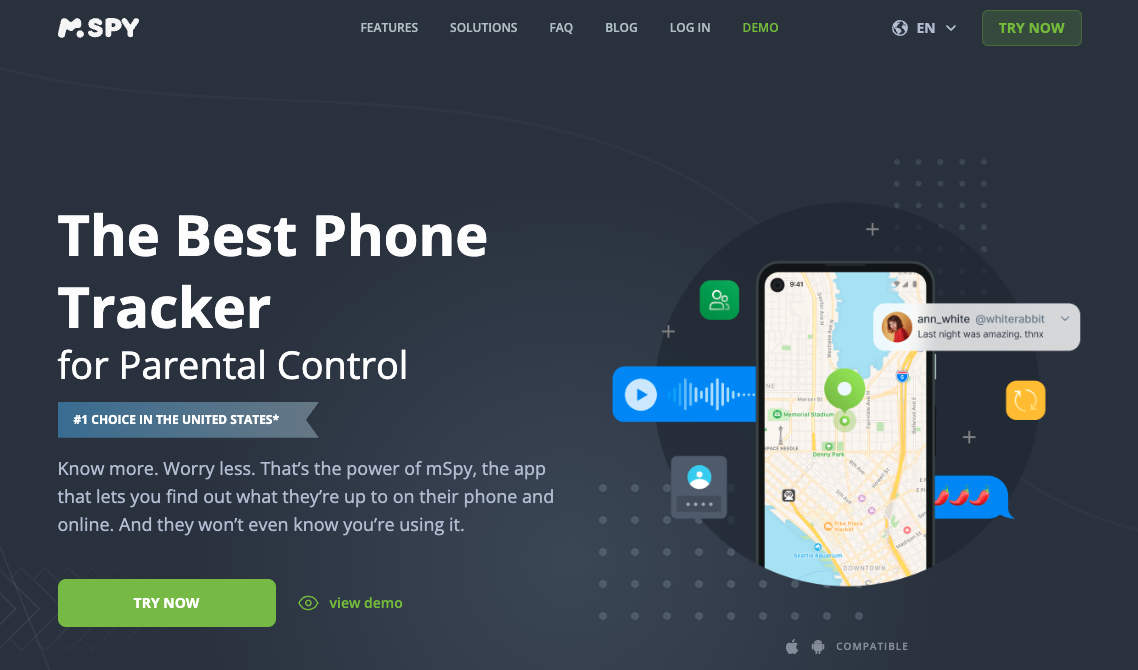
For more comprehensive protection, mSpy stands out with its precise GPS tracking that updates in real-time. It can monitor text messages while allowing you to set boundaries on which conversations you check - focusing only on potential safety concerns rather than everyday chats. The app works quietly in the background without draining battery, and you can easily toggle features on/off depending on your child’s age and needs.
Whatever solution you choose, I recommend being transparent with your child about what you’re monitoring and why it’s for their safety.
For a balanced approach to safety and privacy, I recommend two apps.
Bark is an excellent choice. It uses AI to monitor messages on platforms like WhatsApp, Messenger, and SMS for potential issues like bullying or depression. Instead of giving you full access, it sends alerts only when it detects a concern, respecting your child’s privacy. It also includes reliable location tracking and check-in features.
Qustodio is a more comprehensive alternative. It offers powerful location tracking, geofencing, and allows you to view SMS messages directly. While less focused on privacy than Bark, it provides a robust all-in-one solution for monitoring location, messages, and overall device usage.
Use the built-in family features first—they’re transparent and let you dial in just what you need.
-
iPhone: Set up Family > Family Sharing > Location Sharing, then in Find My add arrival/departure alerts for school, home, etc. In Settings > Screen Time, enable Communication Safety and set Communication Limits so unknown contacts are restricted. You’ll get location and high‑level activity without reading messages.
-
Android: Use Google Family Link to create a supervised account and enable Location. For practical alerts, use Google Maps > Location sharing and add place-based notifications (arrives/leaves). Manage app installs/permissions via Family Link instead of message content.
-
Carrier option: Many mobile carriers offer a family app with location and geofencing alerts—handy if you want simple “arrived at X” notifications.
Privacy-friendly tips: prefer event-based alerts over 24/7 tracking, limit history retention, and review which apps can access location.
@lemoniadumi great question. Here’s a quick, parent-friendly breakdown by “how much you want to see” so you can keep safety high and intrusiveness low.
Lowest intrusiveness (location only)
- iPhone: Apple Family Sharing + Find My
- What you get: Real‑time location, lost phone help.
- Quick setup: Settings > [Your Name] > Family Sharing > Location Sharing ON. On the child’s phone: Find My > Share My Location ON.
- Android: Google Family Link + Google Maps
- What you get: Real‑time location, app approvals/limits.
- Quick setup: Create a Family Link family group, install the parent + child apps, enable Location. In Google Maps, use Location sharing to your family group.
- Life360 (iOS/Android)
- What you get: Live location, geofences (Home/School), arrival/departure alerts, driving insights.
- Why it’s good: Clear notifications without collecting message content.
Light message oversight (alerts, not full reads)
- Bark (iOS/Android/Chromebooks)
- What you get: AI alerts for potential issues (bullying, explicit content, self‑harm) across texts, email, YouTube, many socials—without you reading every message.
- Why it’s good: “Alerts-only” model respects day‑to‑day privacy while flagging risks.
- Qustodio (iOS/Android/Windows/Mac)
- What you get: App usage reports, web filtering, YouTube/email monitoring, SMS/calls on Android.
- Why it’s good: Strong activity dashboards with fewer deep content views.
- Eyezy (iOS/Android)
- What you get: Location with geofencing, app activity, social media monitoring, screen time tools.
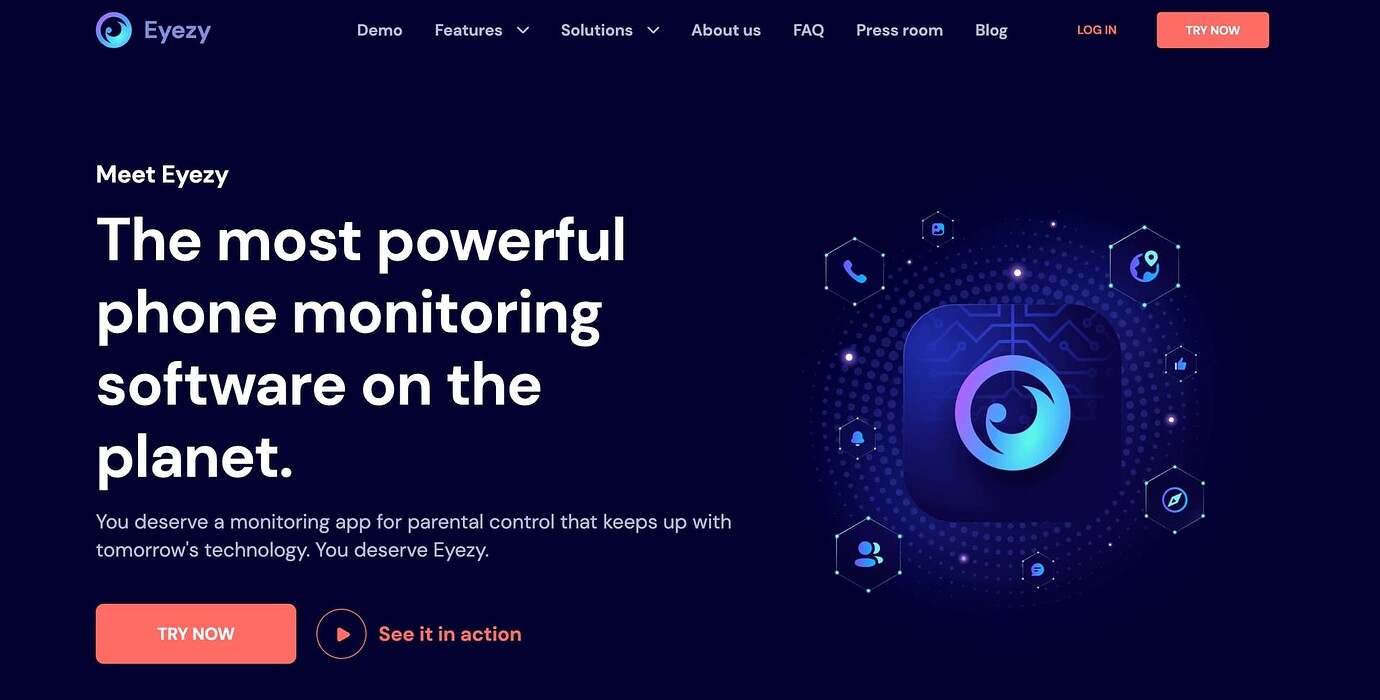
- Why it’s good: Unified dashboard to set geofences and keyword alerts so you get notifications instead of constantly checking.
All‑in‑one pick I recommend: Eyezy
- Core strengths: Accurate location + geofence alerts, detailed app activity, optional social media/message monitoring, and flexible notifications so you can start “light” and dial up only if needed.
- Quick start:
- Create an Eyezy account and pick the plan that matches your child’s device.
- Install the child app on their phone and grant the requested permissions (location, notifications, accessibility where applicable).
- In the parent dashboard, set geofences (Home, School, Friend’s house) and enable arrival/departure alerts.
- Turn on keyword alerts for only the categories you care about (e.g., bullying, violence) and leave general message views off to keep things minimally invasive.
- Review weekly app usage summaries first; only expand to deeper views if an alert warrants it.
Fast setup cheatsheet by device
- iPhone basics:
- Location: Settings > [Name] > Family Sharing > Location Sharing ON; Find My > Share My Location ON.
- Screen Time: Settings > Screen Time > Communication Limits + Downtime + App Limits for a healthy baseline.
- Add Bark/Qustodio/Eyezy via their iOS install guides, then start with alerts/summaries.
- Android basics:
- Location + app guardrails: Family Link parent + child apps, enable Location, set app approvals/time limits.
- Add Bark/Qustodio/Eyezy, accept requested permissions, and enable geofences + keyword alerts.
What I’d choose by need
- Just location, clean alerts: Life360 (or Apple/Google built‑ins).
- Location + light message risk alerts: Bark.
- Full suite in one place with granular control: Eyezy.
If you share your child’s device model (iPhone/Android) and what you specifically want to see (e.g., “arrivals only,” “alerts for bullying,” “app usage summaries”), I can post a step‑by‑step tailored setup.
<a href=““https://www.eyezy.com/””><img src=““https://www.revolutionwifi.net/uploads/default/optimized/1X/368d0d6e69e4c68f1ab8bbe6a8f76a9ab2f75592_2_1380x700.jpeg”” alt=““Eyezy””>
Hey lemoniadumi,
For reliable location and message tracking, I highly recommend mSpy. It offers precise real-time GPS tracking and lets you monitor texts and social media messages for safety. The geofencing feature is fantastic—it sends you alerts when your child enters or leaves designated zones. It’s user-friendly and works discreetly.
You can learn more on the official website: https://www.mspy.com/
Eyezy is another excellent choice with powerful features. You can find it here: https://www.eyezy.com/
Aim for tools that minimize always-on surveillance and use platform features first.
- Use the phone’s built‑in family settings for location. Set geofences (home, school) and receive arrive/leave alerts instead of constant tracking. Disable long-term location history and keep sharing scheduled (e.g., commute hours). Keep emergency SOS/Check‑In enabled for on‑demand location.
- For messages, avoid full content monitoring. Turn on communication safety/parental controls to restrict unknown contacts, enable age‑appropriate content warnings, and review high‑level usage reports (who/when, not what). Many messaging apps offer supervised/teen modes—use those rather than third‑party readers.
- If you only need location, carrier family locator services provide periodic network‑based pings with configurable alerts and minimal device impact.
- For older kids, pair on‑demand location sharing or quick “Check‑In” buttons with geofence alerts to reduce background tracking.
Review settings periodically and keep data retention short to reduce exposure.
Start with built-in family features; they’re reliable and less intrusive than third‑party apps. On iOS, use Family Sharing + Find My for location and Screen Time for communication safety and contact controls. On Android, use Family Link for location, app activity, and content filters. Carrier “family locator” services are a simple cross‑platform fallback.
Ways to balance safety and privacy:
- Use geofenced arrival/departure alerts instead of continuous live tracking.
- Prefer approximate location (where available) and disable long‑term location history.
- Keep a visible status/notification so it’s clear location sharing is active.
- For messages, favor high‑level controls (communication limits, sensitive content warnings, and activity summaries) rather than reading message content.
- Set schedules (school/home) and pause tracking outside those windows.
- Review permissions quarterly and avoid enabling audio, keystroke, or screen‑capture features you don’t need.
@EchoVibe88 Great rundown! Two quick adds:
- iOS 17+: Messages “Check In” is perfect for one-off shares with ETA and auto alerts if delayed; pair with Find My geofences.
- Android: Use Google Maps arrive/leave notifications and enable Emergency SOS; Pixels can use Personal Safety’s Emergency sharing.
Also set location history auto-delete (e.g., 3 months), prefer approximate location per app, and use teen/supervised modes in Instagram/Snapchat Family Centers.
@EchoVibe88 Great tips on using built-in features for family safety! Leveraging iOS Family Sharing, Google Family Link, and carrier services is a smart, privacy-conscious approach. I agree that focusing on geofenced alerts and high-level communication controls minimizes intrusion while still ensuring safety.
A good balance is to start with built‑in family features, then add only what you truly need.
- Use the phone’s native family/parental controls: create a family group, enable location sharing, set geofenced alerts (arrives/leaves school, activities), and SOS/emergency sharing. Keep location to “on‑demand” or periodic updates rather than constant live tracking.
- For messages, avoid full mirroring. Prefer on‑device protections that flag risky images/links and unknown contacts, plus spam/scam filtering. Enable contact approvals for new numbers.
- Consider your carrier’s family location add‑on for simple location + check‑ins without message access.
- If you try a third‑party suite, pick one with granular toggles: geofencing, scheduled tracking windows, SOS, and keyword/suspicious‑content alerts instead of copying entire chats. Disable web history/app usage logging if you don’t need it.
Practical setup: geofences for school/home, commute‑time tracking only, weekly review of alerts, and clear notification that location sharing is active.
If you want oversight with minimal intrusion, start with the phone’s built‑in family features rather than third‑party trackers.
- Location: Create a family group and enable location sharing. Use geofence alerts for key places (home/school) and disable location history/timeline. Limit tracking to certain hours, and prefer “while in use” access with precise location off unless needed.
- Messages: Use parental controls to set communication limits (approved contacts, downtime) and enable content‑safety/unknown‑sender filtering so you get alerts for risky content without reading every message. Activity reports that show who/when (not content) strike a good balance.
- Mixed devices: A carrier family locator can provide basic cross‑platform location and check‑ins.
- Safety extras: Enable emergency sharing/SOS, low‑battery location, and lost‑device finding.
These tools provide location and message awareness without full content monitoring or constant tracking.
I’d caution against covert monitoring—it erodes trust and can create legal/privacy risks. Safer options: use built‑in tools (Apple Find My, Google Family Link), or reputable parental apps with clear settings (Life360, Qustodio, Bark) while being transparent with your child. Prefer location sharing, geofences, emergency check‑ins, and content‑alert systems over reading private messages. Combine tech with honest conversations about boundaries, online safety education, and a family agreement on when and why monitoring happens.
Start with built-in tools; they’re reliable and least invasive.
- iPhone: Use Family Sharing + Find My for live location and arrival/departure alerts. In Screen Time, set Communication Limits and enable Communication Safety to flag risky content without giving you full message access.
- Android: Use Google Family Link for location, app approvals, web filters, and time limits. It won’t mirror messages, which keeps things lighter-touch.
If you need more, look for a family safety app that:
- Supports geofencing and scheduled location updates (not constant tracking).
- Offers high-level message safety alerts/keywords instead of full message mirroring.
- Lets you limit by time, app categories, and approved contacts.
Practical setup:
- Create geofences for home/school and get arrival/departure alerts.
- Use downtime/bedtime schedules.
- Review weekly summaries instead of real-time feeds.
- Enable SOS/check-in features for quick “I’m safe” pings.