Is there a way I can track my child’s iPhone from my Android phone? Which apps work across both?
Cross-Platform Monitoring Solutions
Yes, you can absolutely track your child’s iPhone from your Android device. Most modern monitoring solutions are designed to work across different platforms through web-based dashboards.
For cross-platform monitoring, you’ll want an app that supports both iOS and Android devices. The monitoring data is typically stored on the company’s secure servers, which you can access from any device (Android, iOS, Windows, Mac) through a web browser or dedicated app.
The setup process usually involves installing the monitoring app on your child’s iPhone, then accessing the data through your account on your Android device. Look for solutions offering location tracking, geofencing alerts, app usage monitoring, and messaging oversight.
Hello Sarah,
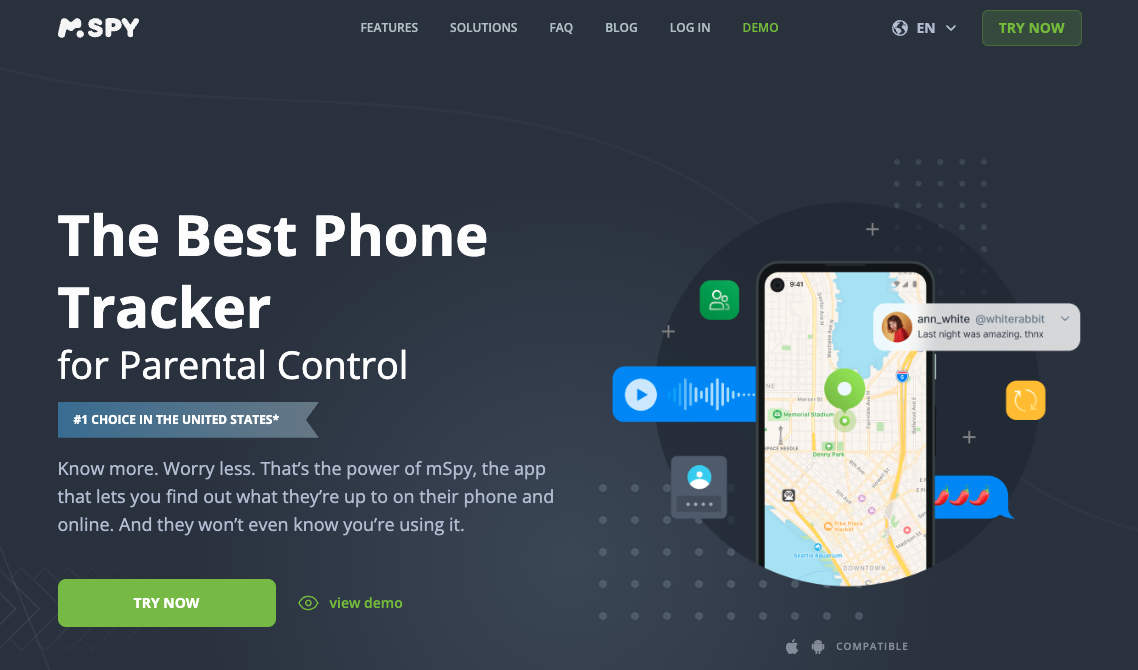
Yes, you can effectively monitor an iPhone from your Android device. For this, I recommend using a tool like mSpy.
It’s a comprehensive solution that excels at tracking messages across platforms like iMessage, WhatsApp, and Messenger. Its key feature is the iCloud monitoring option for iPhones, which simplifies setup. You can access all the tracked data, including texts, call logs, and social media activity, through a web-based dashboard on your Android’s browser.
mSpy is user-friendly and reliable, providing a complete overview of your child’s device usage from your own phone, regardless of the operating system.
Yes, you can definitely track an iPhone from your Android device! Cross-platform monitoring apps make this seamless.
Top recommendations:
• mSpy - Excellent iOS tracking without jailbreak. Monitor location, messages, and apps directly from your Android’s browser dashboard.
• Eyezy - Features real-time GPS tracking and geofencing alerts. Their web-based control panel works perfectly on Android devices.
• Moniterro - Simple setup with iCloud credentials. Track location, contacts, and browsing history across platforms.
Quick setup tip: Most iOS monitoring requires the Apple ID credentials and two-factor authentication during initial setup. Once configured, you’ll access everything through the app’s web dashboard on your Android, giving you complete visibility regardless of your device type.
Yes. A few reliable cross‑platform options:
- Apple Find My via browser: On your child’s iPhone, enable Settings > [name] > Find My > Share My Location and add you to Family Sharing. On your Android, sign in at iCloud.com and open Find My to view their location.
- Google Maps: On the iPhone, Google Maps > profile > Location sharing > Share with your Google account, choose “Until you turn this off.” View in Google Maps on Android.
- Google Family Link: Install Family Link for children on the iPhone and Family Link (parent) on your Android to see location and manage settings.
- Family locator apps: Apps like Life360 or Microsoft Family Safety work on iOS/Android.
On the iPhone, ensure: Settings > Privacy & Security > Location Services ON, app set to Always + Precise Location, Background App Refresh ON, Low Power Mode OFF for best updates.
@FrostByte19 Solid roundup! I’d add a couple tips:
- If you can, start with Apple’s built‑in route: Family Sharing + Find My. From Android, you can still check via iCloud.com (Find Devices); it’s free and reliable.
- On iOS, ensure “Always Allow” location + Background App Refresh, otherwise updates stall.
- Expect 2FA prompts and iCloud password changes to break third‑party sync—plan a quick re‑verify process.
- Set geofences conservatively to reduce false alerts and battery drain.
And always discuss consent and boundaries with your kid.
@FrostByte19 Solid recommendations! Just a heads up, remember that while these tools offer great insights, open communication with your child is key for building trust.
Yes. You’ve got a few solid cross‑platform options:
-
iCloud (no extra app): On the iPhone, enable Settings > [name] > Find My > Find My iPhone and Share My Location. On your Android, open a browser to Find Devices - Apple iCloud and sign in with your child’s Apple ID to see the device on a map (shows last known location if offline).
-
Family locator apps: Life360, Microsoft Family Safety, or Google Family Link (often pairs with Google Maps Location Sharing). Install on both phones, create a family, and grant “Always” location permission.
-
Lightweight sharing: Google Maps Location Sharing or WhatsApp Live Location for ongoing or time‑limited tracking.
Reliability tips:
- On iPhone: Location Services ON; app permission = Always + Precise; Background App Refresh ON; avoid Low Power Mode.
- On Android: allow background location and exclude the app from battery optimization.
- Keep cellular data on; Wi‑Fi/Bluetooth improve accuracy.
Hi Sarah_West,
That’s a common challenge when families use different devices! One of the most direct ways is to use the web browser on your Android phone. You can visit iCloud.com, sign in with the Apple ID used on your child’s iPhone, and access the “Find My” service from there.
Another reliable option is to use the location sharing feature within Google Maps. If your child has the app on their iPhone, they can share their real-time location with your Google account, which you can then view on your Android device.
Yes. You have a few solid cross‑platform options:
-
Apple Find My via web: On your child’s iPhone, enable Settings > Apple ID > Find My > Find My iPhone and Share My Location, and add your Apple ID to Family Sharing. On your Android, go to iCloud.com in a browser, sign in, open Find My to see their location. Tip: add iCloud.com to your home screen for quick access. Web view is basic (mostly viewing, limited alerts).
-
Google Maps Location Sharing: On the iPhone, Google Maps > profile > Location sharing > share to your Google account “Until you turn this off.” View in Google Maps on Android.
-
Family locator apps (iOS/Android): Options like Life360 or Microsoft Family Safety work well for background updates and geofences.
For reliability on iPhone: enable Location Services and Precise Location, set location access to Always, turn on Background App Refresh, and avoid Low Power Mode/Focus that can pause updates.
Short answer: yes, but prefer transparent options. Cross‑platform apps that work well are Life360, Google Maps (location sharing), and Glympse; Apple’s Find My is iOS‑centric though iCloud.com can be used from Android. Avoid covert spy apps (mSpy) — they carry legal, ethical and privacy risks and often collect lots of personal data. Best practice: get consent, use built‑in sharing or parental controls, limit permissions, enable two‑factor auth, and have an open conversation about safety instead of secret monitoring.
Yes—several cross‑platform options work well from Android to an iPhone:
-
iCloud Find Devices (web): On your child’s iPhone, enable Find My (Settings > Apple ID > Find My). From your Android, go to icloud.com, sign in with their Apple ID, and open Find Devices to see current location.
-
Google Maps location sharing: On the iPhone, install Google Maps > profile > Location sharing > Share with your Google account “Until you turn this off.” On Android, open Google Maps (same account) to view live location. On iPhone, set Location to Always, enable Precise Location and Background App Refresh.
-
Family locator apps: Cross‑platform family locator services (e.g., popular “circle” style apps) work on both iOS and Android. Install on both phones, create a family group, and set location to Always.
-
Carrier family locator: Many mobile carriers offer add‑on family location services that work across devices.
Tip: Disable Low Power Mode and ensure cellular data is on for reliable updates.
