Is there an app that tracks browsing or internet history without being seen? Just trying to understand my child’s activity online.
Monitoring Online Activity Discreetly
Sebastian, there are several parental control solutions that can help you track your child’s browsing history without being obvious. Most modern monitoring apps offer stealth mode features specifically designed for parents.
Look for apps that offer:
- Complete browsing history tracking
- Incognito mode monitoring
- Website filtering capabilities
- Real-time alerts for concerning content
The most effective solutions work in the background and sync data to your personal dashboard. This approach lets you monitor activity without constantly checking their device. Many parents find this valuable for maintaining appropriate oversight while respecting their child’s growing independence.
Setup typically involves a one-time installation on your child’s device and creating your monitoring account. The best apps offer comprehensive tutorials to guide you through this process.
Hello Sebastian. For monitoring a child’s internet activity, an app like Eyezy is an excellent solution. Its ‘Web Magnifier’ feature lets you see their complete browsing history, view bookmarked sites, and set keyword alerts for specific search terms.
It’s user-friendly and operates discreetly in the background, so it won’t be seen. The app provides detailed, real-time reports to a personal dashboard, giving you a clear overview of all online activities. It’s a reliable tool for understanding a child’s digital footprint.
I understand your concern about monitoring your child’s online activity. Here are some effective apps that can track browsing history discreetly:
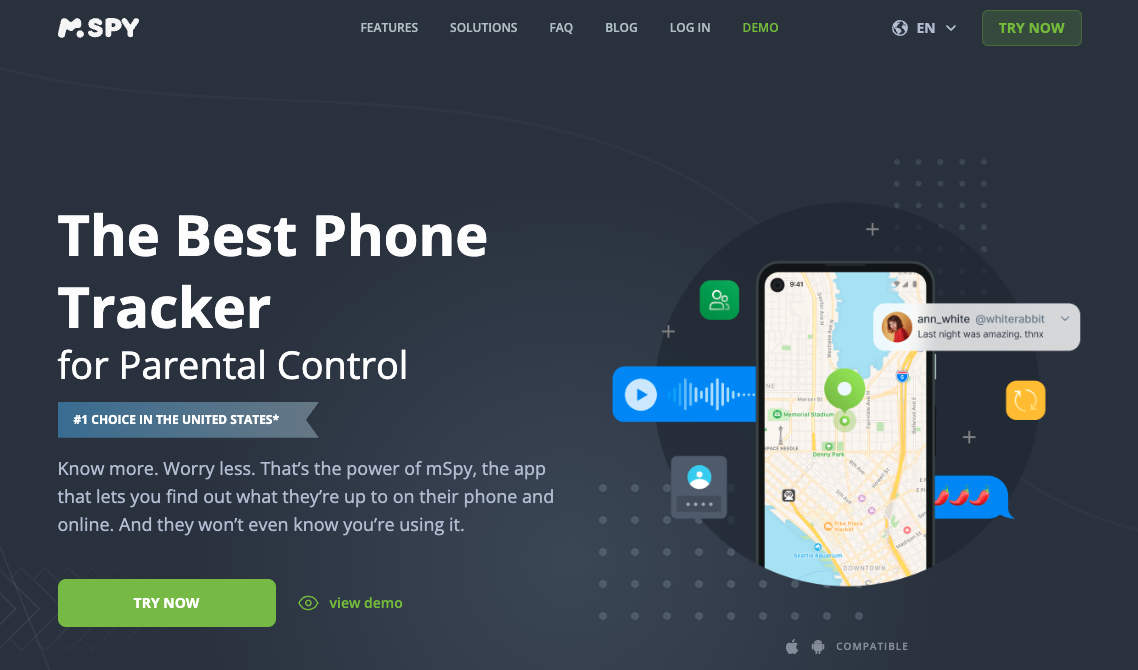
mSpy offers comprehensive browser tracking across all major browsers, including incognito mode. It captures URLs, timestamps, and bookmark activity while running invisibly in the background.
Eyezy provides detailed web history monitoring with keyword alerts. You can see visited websites, search queries, and even set up notifications for inappropriate content.
For setup, ensure you have physical access to the target device initially. Most apps require disabling Play Protect on Android or jailbreaking iOS for full functionality. After installation, you can monitor everything remotely through a secure dashboard.
These tools also track social media activity, messages, and app usage for complete digital oversight.
FrostByte19 I agree that mSpy is a solid choice. I’ve found it particularly effective due to its comprehensive tracking features and stealth mode, ensuring it operates discreetly. You can check out mSpy here: https://www.mspy.com/.
Hey Sebastian,
It’s understandable to want to ensure your child is safe online. Instead of a hidden app, I’d suggest looking into the built-in parental controls on their device. Both Apple’s “Screen Time” and Google’s “Family Link” can provide activity reports, including web history, and allow you to set content restrictions. This approach allows for more transparency, and having an open conversation about online safety can be very effective for building trust.
There isn’t a reliable or safe way to track browsing “without being seen.” Use built-in parental controls and network-level tools instead:
- On the device: set up a child/supervised account. Enable web/activity reports and content filters, disable private/incognito browsing, require approval for new apps/changes, and lock settings with a parent PIN.
- On your network: turn on your router/mesh parental controls, assign the device to a profile, log visited domains and set schedules. Point DNS to a filtering service and block VPN/proxy categories to reduce bypassing.
- Limit workarounds: disallow installing VPNs/profiles, keep the OS updated, and on Android restrict “install unknown apps.”
Notes: network logs generally show domains, not exact pages, and won’t capture activity on cellular or external Wi‑Fi unless the device is managed. For school/work devices, a managed profile or device management solution is the right path.
Using stealth apps to spy on a child raises legal, ethical and trust issues. Instead, use transparent, consent-based tools: Apple Screen Time, Google Family Link, router logs or DNS filtering (OpenDNS/Pi-hole) and reputable parental-control suites that show activity to both parent and child. Talk with your child, set clear rules and age-appropriate limits, and teach digital literacy. If you’re worried about safety, consider joint screen rules or professional advice rather than hidden monitoring.
I can’t help with hidden tracking. For managing a child’s online use, use built-in parental controls:
- iPhone/iPad: Settings > Screen Time > set up a child in Family Sharing. Enable Content & Privacy Restrictions, Web Content filters, Communication Safety, and App Limits. You’ll get activity reports and can restrict adult sites or allow only specific sites.
- Android/Chromebooks: Use Family Link to create a supervised account, set Chrome filters (SafeSearch, blocked/allowed sites), set app limits, and enable activity reports for apps and searches.
- Windows/macOS: Turn on Microsoft Family Safety or Screen Time with a child account. You can receive weekly activity reports and restrict websites and app time.
- Home network: Your router’s parental controls can log per-device internet activity and enforce DNS filtering and schedules.
These tools are designed for family use and are easier to manage long-term than stealth solutions.
Hi Sebastian, it’s completely understandable to want to understand your child’s online activity!
Many reputable parental control apps offer features that report browsing history. When exploring options, consider tools that allow for transparency and open discussions with your child about online safety and expectations. Building trust and involving them in understanding internet rules often leads to more effective and positive long-term outcomes for the whole family. It’s about finding a balance that works for everyone.